
It may sound like a rhetorical question to many since Italy is one of the most common destinations for tourism but I think it’s worth having a conversation for those who may not be aware of what the country has to offer or for those who are only familiar with the most popular destinations or features.
First, Italy has a huge variety of food options. I know, you don’t only go to Italy to eat, but let’s admit it, it’s a favored activity among tourists! You can probably find a different local food specialty every 50 kilometers, providing a visitor with an assortment of options that will never cease to surprise. If you want a sneak peek at the different choices, Taste Atlas is a great place to start (https://www.tasteatlas.com/italy/map): it offers a map of dishes, together with a description of the food, and where to find them! I would recommend you make sure to try a dish in its original area of birth rather than anywhere else in Italy. For instance, try arancini in Sicilia, caciucco in Toscana, and piadina in Romagna!
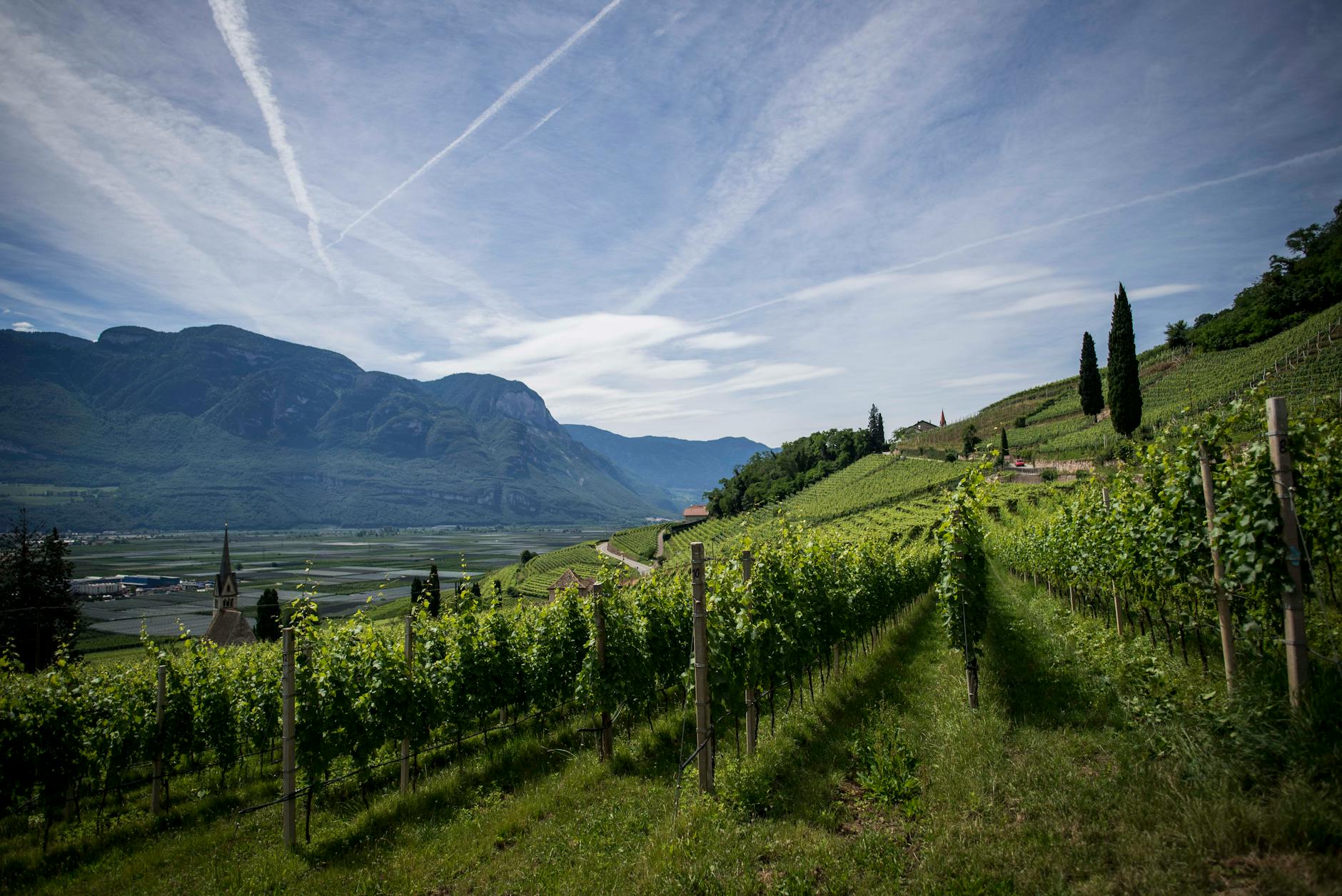
Not only do we have an array of foods, Italy also offers a variety of landscapes, from sea to mountains. Despite being relatively small in terms of land, 302,073 km² compared to Ontario’s 1.076 million km², Italy’s morphology includes 8,000 km of coast and almost 35% of the territory is mountainous. Additionally, the farthest inhabited location from the sea is 294 km away, making it pretty easy to reach the coast from anywhere. Italy also counts two main islands (and several smaller ones), two main mountain ranges, several lakes and rivers, and much more!
I would like to suggest you avoid the popular destinations, especially if you’ve been there before, and try areas that are not on the tourists’ map, but have a lot to offer nonetheless. For instance, the region where I was born, Friuli Venezia Giulia, is often neglected by tourists, who prefer more famous places like the ‘close-by’ Venice, but it’s a hidden gem bordering Austria and Slovenia, with no more than 100 km between mountains and beach.
The language profile is also an interesting one: dialects are so different that even Italians admit they cannot always understand each other! This may sound crazy for North American English speakers, who can normally travel for several hours before finding someone who speaks with a different accent, let alone a different language. In Italy, on the other hand, there are many bilingual people, often because they live close to the border, and several local dialects, some of which have the status of an actual official language. This is important because this allows administrations to provide services in the local language, and citizens to expect it to be used in official and non-official contexts. Regardless of their status, dialects and languages receive financial support from the government due to their significant connections with local culture.
So, do you think you would like to visit Italy?
 Talk&Learn - Foreign Language and Tutoring Services